Comparing Synthetic Turf Grass vs. Natural Grass: What’s Right for You?
Comparing Synthetic Turf Grass vs. Natural Grass: What’s Right for You?
Blog Article
Enhancing outdoor spaces requires choosing the right synthetic turf installation, an essential decision for both homeowners and businesses. Canton top synthetic turf installation services deliver high-grade products and proficient installation, turning any lawn or sports field into a lively, green haven. The increasing preference for artificial grass, thanks to its easy maintenance and visual charm, has made it imperative to find a reliable contractor. For those interested in exploring the wide range of benefits these services offer, please consult our comprehensive overview this website. Not only does synthetic turf eliminate the burdens of mowing, watering, and fertilizing, but it also supports sustainability initiatives by conserving water resources. Innovations in synthetic turf technology allow for contemporary installations that mimic the aesthetics and feel of natural grass while providing exceptional durability against the elements. Be it for residential lawns or commercial athletic fields, the advantages of this streamlined landscaping option are becoming more apparent.Steps for Successful Synthetic Turf Installation
canton top synthetic turf material installation
Tips for Choosing the Right Synthetic Turf Installer
Selecting the right synthetic turf company can significantly impact the outcome of your project. Consider these factors for effective decision-making:
- Check for industry certifications and experience of the installers.
- Ask for references or reviews from past clients to gauge satisfaction levels.
- Compare quotes from multiple companies while ensuring they include all fees without hidden costs.
- Inquire about the materials used to ensure quality and durability.
- Consider companies that offer warranties on both materials and installation services.
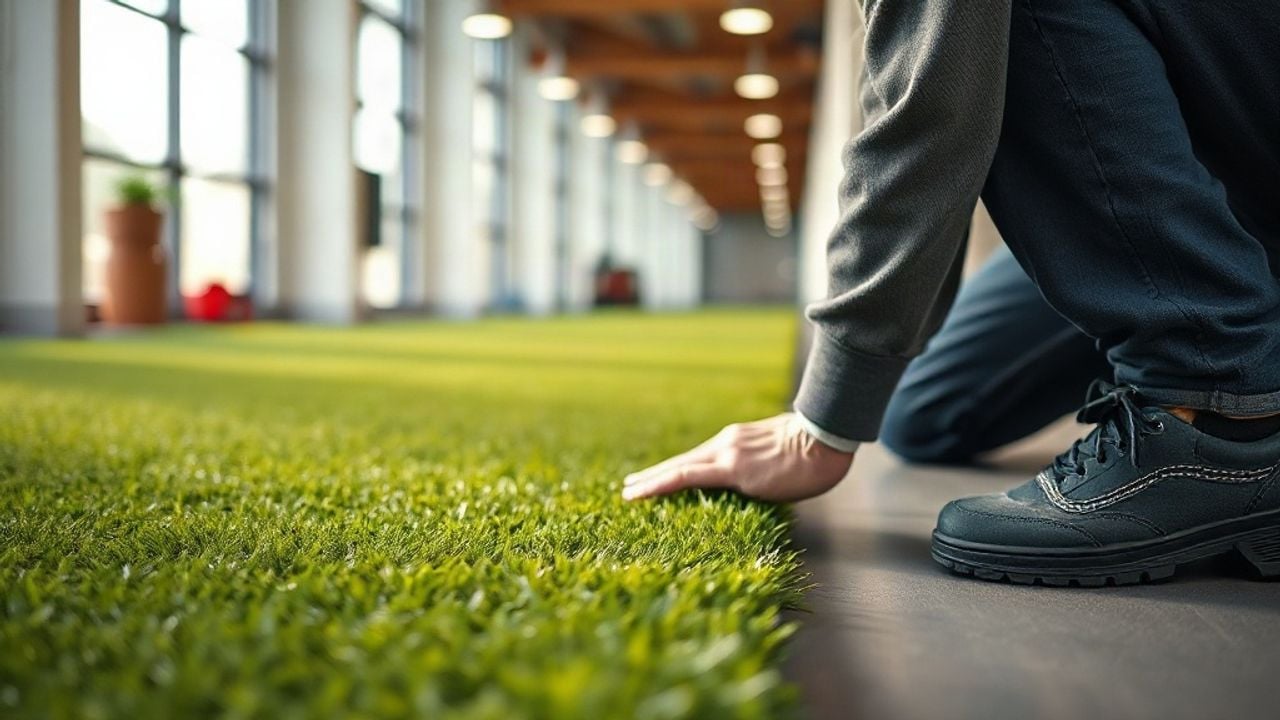 synthetic turf installationsynthetic turf contractor
Understanding Synthetic Turf Installation
The method of synthetic turf installation incorporates several steps designed to install artificial grass onto an existing foundation, which can include soil, concrete, or sand. The initial procedure is to conduct a detailed assessment of the installation location. A professional contractor specializing in synthetic turf will take various measurements, inspect drainage features, and identify the best turf type that corresponds to the specific needs of the area. Top-tier synthetic turf grass is engineered to offer excellent drainage and stability, making certain that the surface remains functional for athletic and leisure use.
Preparation of the Site
The preparation of the site is an essential part of the installation process. This phase typically consists of grading the terrain to ensure proper drainage, incorporating a weed barrier, and placing a foundational layer of crushed stone or sand to form an even surface. These measures help to restrict weed growth and protect the turf's longevity. Numerous synthetic turf installers stress the importance of comprehensive site preparation because inadequate work during this stage can lead to future problems, including bumpy surfaces or inadequate drainage.
The Installation Process
The actual installation of synthetic turf involves several important steps. Initially, the grass is rolled out over the prepared base and cut to fit the required dimensions of the area. Seaming methods are applied using specialized adhesive, ensuring that the sheets of turf are securely connected. Once the turf is laid, infill material, often made of rubber or sand, is spread across the surface. This infill fills the blades of grass, adding weight and stability while providing cushioning underfoot. When done correctly, the installation creates a seamless and natural-looking lawn.
Post-Installation Care and Maintenance
Although synthetic grass requires far less maintenance than traditional lawns, specific post-installation care is necessary to keep it looking great for years. Routine brushing helps to maintain the upright position of the grass blades, while occasional rinsing with water can prevent dust and debris buildup. Inspecting for any signs of wear or damage is also recommended to prolong the life of the turf. Many companies that offer synthetic turf services provide maintenance packages to ensure the grass continues to look its best over time.
For an in-depth overview of how synthetic turf works and its environmental benefits, visit the Artificial turf Wikipedia page.
Frequently Asked Questions
What does canton top synthetic turf installation involve?
Canton top synthetic turf installation is the professional method used to lay synthetic grass across properties in Canton, offering homeowners and businesses an attractive and low-maintenance substitute for natural grass lawns.
How can I select a provider for canton top synthetic turf installation?
When choosing a provider, examine their experience, read customer feedback, assess the quality of materials they utilize, and inquire about any warranties they provide. Obtaining several quotes can assist you in selecting the one that best serves your specific needs.
What is the typical cost of canton top synthetic turf installation?
Pricing can differ based on the project's size, the quality of turf selected, and installation complexity. Generally, costs can range from $5 to $20 per square foot, inclusive of materials and labor.
When considering canton top synthetic turf installation, prioritize evidence of successful outcomes, transparent reporting, and whether the strategy aligns with your market goals and deadlines. Be careful of unclear commitments lacking a measurement framework.
Inquire about how progress is measured, what's included versus optional services, and how the provider adapts strategies when performance measures stagnate. Securing a written agreement before making any payments protects both parties.
High-quality synthetic turf installation not only transforms outdoor areas but also reduces the time and effort needed for traditional lawn maintenance. When installed by professionals, your artificial grass will maintain a lush appearance throughout the year, providing both visual appeal and practicality.
Selecting the right contractor is crucial for maximizing these benefits, allowing you to relish your outdoor spaces without the usual drawbacks of maintaining natural grass.
In considering canton top synthetic turf installation, pay attention to demonstrated results, transparent reporting, and ensure that the methods align with your specific market and timeline. Be cautious of vague assurances without a solid measurement strategy.
Inquire about how progress is monitored, the differences between included and optional services, and how adjustments are made when performance slows. A clear written scope of work prior to payment safeguards both parties.